For CNFans—Chinese fashion enthusiasts, collectors, and community leaders—spreadsheets are far more than just grids of numbers. They are the unsung heroes of their fashion journeys, turning chaotic collections into organized archives, casual group buys into seamless operations, and subjective preferences into data-driven decisions. In a community where attention to detail reigns supreme—whether verifying the authenticity of a limited-edition sneaker or tracking the fit of a trending denim style—spreadsheets provide the structure that transforms passion into purpose. This article dives into the multifaceted relationship between CNFans and spreadsheets, exploring how these tools shape everything from personal collections to community-wide trends, and why they’ve become an indispensable part of the CNFans identity.
Spreadsheets as Collection Command Centers for CNFans
For many CNFans, fashion collecting is a lifelong pursuit—one that can quickly spiral into disarray without proper organization. Enter spreadsheets: the ultimate tool for cataloging, tracking, and preserving their prized pieces. Unlike messy physical notebooks or scattered phone notes, spreadsheets offer customizable fields, searchable data, and visual clarity that makes managing even the largest collections a breeze.
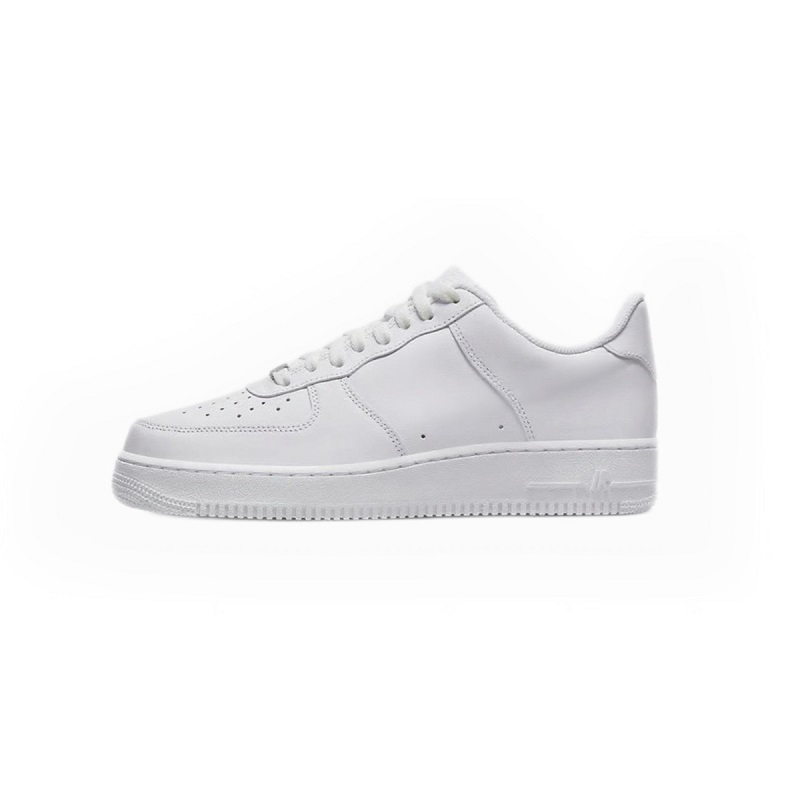
A typical CNFans collection spreadsheet is a masterclass in detail. Take sneaker collectors, for example—their spreadsheets often include columns for brand, model (e.g., Asics Gel NYC, Air Jordan 1), colorway, release date, purchase price, seller, authentication status, wear count, and even storage location. Some enthusiasts go a step further, adding tabs for “Wishlists” (with columns for estimated price and release window) and “Resale Value Tracking” (updating market prices monthly using data from platforms like StockX and Goat). “I have over 150 pairs of sneakers, and my spreadsheet is my memory,” says a 28-year-old CNFan from Shanghai. “Last month, I wanted to sell a pair of 2023 Nike Dunk Low ‘Chicago’—my spreadsheet told me I paid ¥3,200, the current resale price is ¥4,500, and I’d only worn them twice. That data let me set a fair price and avoid losing money.”
Clothing collectors rely on spreadsheets to solve different but equally critical problems. For CNFans who obsess over designer denim—like the iconic Levi’s 501 or trending purple jeans—spreadsheets track fit details across brands: waist measurements, inseam length, fabric weight, and how the jeans stretch after multiple washes. They’ll even add notes like “Runs small—order one size up” or “Fades beautifully after 6 months of wear” based on personal experience. This level of detail doesn’t just help them manage their own wardrobes; it becomes valuable community knowledge. Many CNFans share their “Denim Fit Spreadsheets” on Xiaohongshu or WeChat Groups, helping fellow enthusiasts avoid costly sizing mistakes. “I spent years buying jeans that didn’t fit until I made my first spreadsheet,” recalls a CNFan from Guangzhou. “Sharing it online got over 1,000 likes—people kept saying it saved them from returning clothes. That’s the power of turning personal data into community help.”
Accessories collectors, too, lean on spreadsheets for specificity. Handbag enthusiasts track serial numbers, leather types, hardware conditions, and even repair histories. A CNFan with a collection of Hermès Birkin bags, for instance, might have a spreadsheet tab dedicated to “Maintenance Logs,” noting when the bag was cleaned, reconditioned, or stored with dust bags. This not only preserves the value of the collection but also creates a narrative—each row tells the story of a piece’s journey from purchase to preservation.
Group Buys Reimagined: Spreadsheets as Community Collaboration Hubs
Group buys are the lifeblood of the CNFans community, allowing members to access bulk discounts on coveted items—from limited-edition sneakers to imported designer basics. But coordinating orders for 20, 50, or even 100 people is a logistical nightmare without a central system—and spreadsheets are that system. They turn individual requests into a unified plan, ensuring everyone gets what they want, payments are tracked, and deliveries are organized.
The anatomy of a CNFans group buy spreadsheet is a study in collaboration. At minimum, it includes tabs for “Order Details” (member name, contact info, item model, size, quantity), “Payment Tracking” (amount due, payment date, transaction ID, status), and “Shipping Logistics” (delivery address, tracking number, delivery status). But experienced group buy leaders add layers of complexity to avoid common pitfalls. For example, a spreadsheet for a limited-edition Asics Gel NYC group buy might include a “QC Check” tab, where a designated team member logs serial numbers, uploads photos of stitching and logos, and marks each pair as “Authentic” or “Rejected.” A “Cost Breakdown” tab calculates per-person costs, including the base price, shipping from the seller, international tariffs, and a small admin fee—ensuring transparency and avoiding disputes.
Real-time collaboration features—like those in Google Sheets or Tencent Docs—take these spreadsheets to the next level. When a member pays via Alipay or WeChat Pay, they can mark their status as “Paid” and attach a screenshot directly to the spreadsheet. The group leader receives an instant notification and approves the payment with a comment. If a size sells out, the spreadsheet auto-updates to gray out unavailable options, preventing duplicate orders. “We organized a group buy for 80 pairs of purple jeans last year, and the spreadsheet made it stress-free,” says a group leader from Beijing. “We had 10 people editing it at once—someone tracking payments, someone doing QC, someone updating shipping. Without it, we would have missed sizes, lost payment records, and had angry members. It’s the glue that holds the group together.”
Spreadsheets also solve one of the biggest group buy headaches: communication overload. Instead of flooding WeChat Groups with “Did you get my order?” or “When will I be charged?” messages, members can check the spreadsheet for real-time updates. A “FAQ” tab answers common questions, and a “Comments” column lets members ask specific questions that the leader can address publicly—reducing repetitive inquiries and keeping the group focused on shared excitement.
Data-Driven Fandom: Spreadsheets as Trend Forecasters
CNFans aren’t just consumers of fashion trends—they’re creators of them. And spreadsheets are the tools that let them spot emerging trends, validate popular styles, and even influence brand decisions. By aggregating data from their own collections, community interactions, and social media, CNFans use spreadsheets to turn gut feelings into actionable insights.
One common practice is tracking “Trend Frequency” in spreadsheets. CNFans will monitor social media platforms like Xiaohongshu and Douyin, logging how often certain items (e.g., chunky sneakers, cargo pants, pastel jackets) are mentioned, tagged, or featured by influencers. They’ll create columns for “Weekly Mentions,” “Hashtag Growth,” and “Influencer Endorsements,” then use formulas to calculate growth rates. A sudden 200% spike in mentions of “retro running shoes” might signal a coming trend—prompting CNFans to stock up on underrated models or share the insight with their community. “I noticed a spike in ‘Asics Gel Lyte III’ mentions in my spreadsheet three months before they went viral,” says a CNFan trend forecaster from Shenzhen. “I told my group buy members to grab them early, and they got pairs for ¥800 before resale prices hit ¥1,500. Spreadsheets turned me from a fan into a trend spotter.”
Spreadsheets also help CNFans validate the “hype” around a trend. For example, when a new denim brand claims its jeans have “universal fit,” CNFans will create a shared spreadsheet where members input their body measurements, the jeans’ size they bought, and a fit rating (1-5). After 50+ entries, the data reveals whether the fit is truly universal or skewed toward certain body types. This crowdsourced data is far more reliable than brand marketing—and CNFans share it widely to help others make informed purchases. “A brand claimed their jeans fit ‘all Asian body types,’ but our spreadsheet showed 70% of curvy members said they were too tight in the hips,” explains a community moderator. “We shared the spreadsheet with the brand, and they ended up releasing a ‘curvy fit’ version. That’s the power of CNFans data.”
Professional CNFans—like resellers or fashion bloggers—take this a step further, using spreadsheets to analyze sales performance. Resellers track which items sell fastest, which colorways have the highest profit margins, and which seasons drive the most demand. A reseller’s spreadsheet might include tabs for “Monthly Sales,” “Profit Margins by Brand,” and “Inventory Turnover,” with charts that visualize which products are worth restocking. Bloggers use spreadsheets to track which fashion posts get the most engagement—logging metrics like views, likes, and comments—to tailor their content to their audience’s interests. “My spreadsheet showed that posts about ‘affordable designer dupes’ get 3x more engagement than luxury posts,” says a Xiaohongshu fashion blogger with 200k followers. “I adjusted my content plan accordingly, and my follower count grew by 50k in six months. Spreadsheets turned my hobby into a career.”
The Human Side of Spreadsheets: Building Community Through Data
For all their technical utility, spreadsheets also play a surprisingly emotional role in the CNFans community—they build connection. Shared spreadsheets become spaces where members collaborate, learn from each other, and celebrate their shared passion. A “Sneaker Authentication Checklist” spreadsheet, for example, isn’t just a list of checks—it’s a compilation of knowledge from dozens of experienced collectors, passed down to new members to help them avoid fakes. A “Fit Guide” spreadsheet is a testament to the community’s willingness to help each other look and feel their best.
Spreadsheets also preserve the history of the CNFans community. Many long-standing groups maintain “Community Archive” spreadsheets that track every group buy, event, and trend they’ve participated in over the years. These spreadsheets include photos, participant names, and even anecdotes—turning data into a collective memory. “Our community has a 5-year-old spreadsheet that tracks every sneaker group buy we’ve done,” says a founding member of a Shanghai-based CNFans group. “Looking back, we can see how our tastes changed—from Air Jordans to Asics, from bold colors to neutrals. It’s not just data; it’s our story.”
Even for individual CNFans, spreadsheets hold personal meaning. A collector’s spreadsheet might include notes like “Bought this pair with my first paycheck” or “Wore these to my first CNFans meetup”—turning a list of items into a timeline of life events. “My spreadsheet has a column for ‘Memory,’” says a 30-year-old CNFan from Chengdu. “When I look at my 2018 Nike Dunk Low entry, I remember buying it for my birthday and wearing it to meet my now-wife at a sneaker convention. It’s more than a collection—it’s my life in shoes, organized in a spreadsheet.”
The Future of CNFans and Spreadsheets: Innovation Meets Passion
As CNFans continue to grow and evolve, so too do their spreadsheets. The basic Excel sheets of the past are giving way to more advanced tools—cloud-based platforms with real-time collaboration, AI-powered data analysis, and integration with other fashion tech. CNFans are now using tools like Google Sheets add-ons that auto-import resale prices from StockX, or Feishu Sheets templates that generate fit recommendation reports based on crowdsourced data.
One emerging trend is the use of spreadsheets to drive sustainability in the CNFans community. Collectors are creating “Sustainability Trackers” that log the environmental impact of their purchases—including fabric type, manufacturing location, and whether the item is secondhand. Community groups are using spreadsheets to organize clothing swaps, tracking who donates what and who receives it to ensure fair distribution. “Our swap spreadsheet lets members list items they’re giving away and request items they need,” says a sustainability-focused CNFan leader. “Last year, we swapped over 300 items—keeping them out of landfills and putting them in the hands of people who will love them. Spreadsheets made it easy to match donors and recipients.”
Looking ahead, the relationship between CNFans and spreadsheets will only grow stronger. As the community expands into new areas—like vintage fashion collecting, custom apparel design, and global collaborations—spreadsheets will continue to provide the structure that keeps passion organized, informed, and connected. For CNFans, spreadsheets aren’t just tools—they’re a way to turn individual love for fashion into a collective force, one cell at a time.
In the end, the story of CNFans and spreadsheets is a story of balance: between passion and precision, individual and community, chaos and order. It’s proof that the most powerful tools in fashion fandom aren’t the latest sneakers or designer pieces—but the ones that help you organize, share, and celebrate that passion with others.