In the pantheon of CNFans luxury collections, the Hermès belt stands as a singular icon. More than just a accessory, it’s a symbol of refined taste and understated status—a piece that bridges casual wear and formal attire, and retains its value across decades. From the classic H-buckle (introduced in 1929) to limited-edition leather variations, Hermès belts have captivated Chinese collectors who prize craftsmanship, heritage, and exclusivity. Yet collecting these belts comes with unique hurdles: sky-high price tags (RMB 8,000–50,000+), a thriving counterfeit market, and complex decisions around leather types, buckle styles, and resale potential. For CNFans, the solution lies in a tool that marries passion with precision: the spreadsheet. These fan-created digital systems have become the backbone of Hermès belt collecting, turning guesswork into data-driven decisions, exposing fakes, and helping enthusiasts build collections that are both curated and financially savvy. This article explores why Hermès belts have become a CNFans obsession, the specialized spreadsheets that power their collecting journey, and how a single accessory has redefined what it means to collect luxury in China.
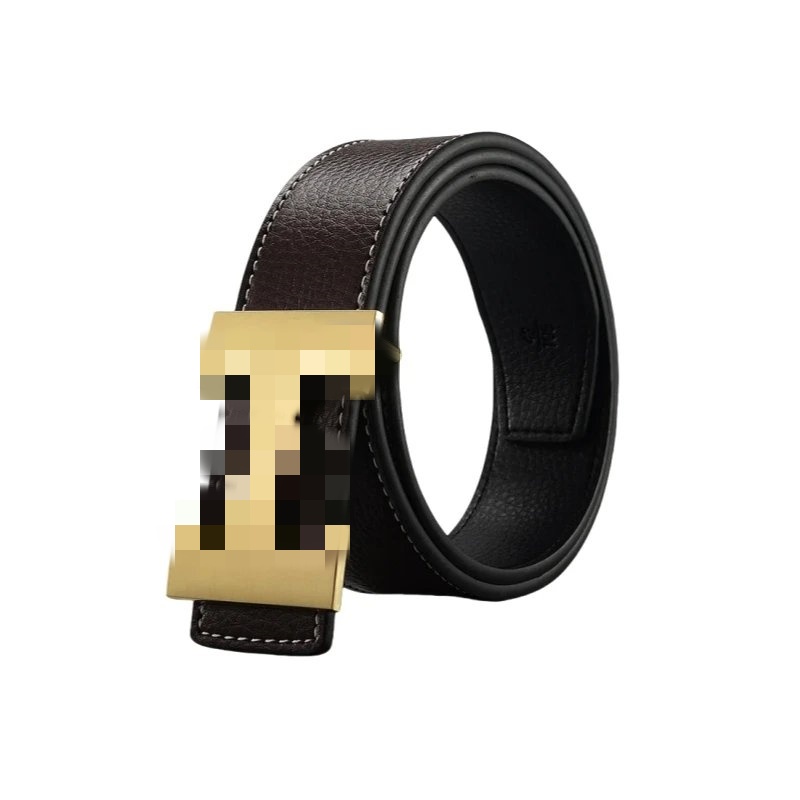
Why Hermès Belts Reign Supreme Among CNFans
Hermès belts aren’t just luxury goods—they’re investments in design and durability. For CNFans, who prioritize pieces that hold both aesthetic and monetary value, three key factors set Hermès belts apart from other luxury accessories:
- Craftsmanship That Defies Time: Every Hermès belt is handcrafted in France, with a level of detail that borders on artistry. The brand uses only premium leathers—Togo (textured calfskin), Epsom (rigid, scratch-resistant calfskin), Swift (soft, smooth calfskin), and rare exotic leathers like alligator and ostrich—each treated with natural oils to develop a rich patina over years. The iconic H-buckle, available in brushed gold, palladium, or enamel, is cast from solid metal and polished by hand. “My 2015 Togo leather belt looks better now than it did 10 years ago,” says a 38-year-old Beijing collector. “The patina on the leather and the shine of the buckle only get richer with wear.”
- Timeless Design with Endless Versatility: Unlike trend-driven luxury accessories, Hermès belts have remained largely unchanged for decades. The classic 32mm and 42mm width options fit seamlessly with jeans, suits, and dresses, making them a “one-and-done” accessory for any wardrobe. The brand’s ability to balance tradition with subtle innovation—releasing limited-edition buckle colors (e.g., 2023’s matte black enamel H-buckle) or leather finishes (e.g., 2024’s croc-embossed Togo)—keeps the line fresh without sacrificing timelessness. “I wear my Hermès belt to business meetings and weekend brunches,” says a 34-year-old Shanghai fan. “It’s the only luxury piece that works for every occasion.”
- Unmatched Resale Value and Exclusivity: Hermès intentionally limits production of certain belt styles (especially exotic leathers and limited-edition buckles), creating scarcity that drives resale value. A well-maintained classic H-belt in Togo leather retains 80–90% of its retail value, while rare pieces (e.g., a 2022 alligator belt with diamond-encrusted buckle) can sell for 2–3x retail on secondary markets. Unlike other luxury brands, Hermès has no official online store for belts—all purchases require an in-person visit to a boutique, with waitlists for popular combinations (e.g., Epsom leather in black with brushed gold H-buckle). “I waited 3 months for my dream belt,” recalls a 36-year-old Guangzhou collector. “That exclusivity makes it feel more special than any other luxury purchase I’ve made.”
As Hermès belts grew in popularity among CNFans, so did the threat of counterfeits. By 2022, fake Hermès belts—some so well-made they mimicked Togo leather’s texture and H-buckle’s weight—flooded Xianyu and Taobao. It was this crisis that led a group of CNFans to create the “CNFans Hermès Belt Authentication & Collection Bible”—the community’s definitive guide to navigating the world of Hermès belt collecting.
The Holy Grail: CNFans Hermès Belt Authentication & Collection Bible
Launched in 2020 by a team of six core contributors—including a former Hermès boutique sales associate, a luxury authentication expert with 10+ years of experience, and a CNFans collector with 25+ Hermès belts—the “Hermès Belt Bible” is a 50-tab spreadsheet ecosystem that leaves no detail unexamined. Hosted on WeChat Docs and updated biweekly, it has 30+ regular contributors and is shared in over 60 CNFans Hermès groups (totaling 100,000+ members). What sets it apart is its hyper-specificity to Hermès belts—distinguishing between leather types, buckle eras, and even boutique-specific engravings—and its integration of budgeting tools to help collectors make informed financial decisions.
Authentication: Every Stitch, Leather, and Buckle Cued
Hermès belts are defined by tiny, intentional details that counterfeiters struggle to replicate. The Bible’s “Authentication Cues by Era & Style” tab maps these nuances across decades, from the 1990s to 2024. Key details include:
- Leather Texture and Patina Guides: The Bible includes high-res photos of genuine vs. fake leather types. For Togo leather, genuine pieces have irregular, pebbled texture (no two patches are identical), while fakes have uniform “bubbles” stamped into the surface. For Epsom leather, genuine pieces have a subtle crosshatch pattern and rigid feel, while fakes are soft and lack texture. The tab also tracks patina evolution: genuine Togo leather darkens evenly over time, while fake leather fades or discolors in splotches. “I authenticated a ‘Togo’ belt on Xianyu by checking the texture—uniform bubbles meant it was fake,” says a 40-year-old authentication contributor.
- H-Buckle Precision: Genuine H-buckles are cast from solid metal (brushed gold or palladium) with crisp edges and a matte finish. The “H” is perfectly centered on the buckle, with a 1:1 width-to-height ratio. Fakes often have uneven edges, a glossy finish, or a lopsided “H.” Pre-2010 buckles have a tiny “Hermès Paris” engraving on the back (0.5cm tall), while 2010+ buckles have a slightly larger engraving (0.7cm tall) with a serial number below. The Bible’s “Buckle Evolution” tab includes side-by-side comparisons of genuine vs. fake engravings.
- Stitching and Hardware: Genuine Hermès belts have saddle stitching—two threads woven together—with 8 stitches per cm (fakes have 5–6 stitches per cm and single-thread stitching). The belt’s keeper loop (the small loop that holds excess leather) is stitched directly to the belt on genuine pieces, while fakes often glue the loop in place. The buckle’s pin is solid metal with a Hermès logo engraved on the end—fakes use hollow pins with no engraving. A Shanghai collector notes: “I checked a fake belt’s stitching—single thread and 5 stitches per cm gave it away immediately.”
- Serial Number and Engraving Decoding: Hermès began adding serial numbers to belts in 1997. The serial number (stamped on the leather under the buckle) includes a 2-letter country code (e.g., “FR” = France), a 4-digit date code (e.g., “2403” = March 2024), and a 3-digit batch code. Pre-1997 belts have no serial numbers, so the Bible’s “Vintage Authentication” tab uses leather texture and buckle details to verify them. “I used the date code to confirm a ‘vintage’ 1995 belt—it actually dated to 2018,” says a 37-year-old vintage collector.
Budgeting: From Savings Goals to Resale Value
Unlike generic authentication guides, the “Hermès Belt Bible” integrates robust budgeting tools tailored to the high price point of Hermès belts. The “Hermès Belt Budget Planner” tab is a favorite among CNFans, with features including:
- Waitlist Savings Calculator: For popular belt combinations (e.g., Epsom black + brushed gold H-buckle) with 2–4 month waitlists, the calculator divides the total cost (e.g., RMB 12,000) by the wait time to set monthly savings goals (e.g., RMB 4,000/month for 3 months). “I used this to save for my first Hermès belt,” says a 32-year-old Wuhan collector. “No more last-minute credit card debt—saving felt manageable.”
- Leather Cost-Benefit Analysis: A comparison table that ranks leather types by durability, maintenance cost, and resale value. For example, Epsom leather (RMB 12,000) has low maintenance (no need for leather cream) and 90% resale value, while Togo leather (RMB 11,000) requires monthly conditioning but has 85% resale value. Exotic leathers (e.g., alligator, RMB 50,000+) have 120% resale value but high maintenance (specialized cleaning). “The table helped me choose Epsom over Togo—I travel a lot and don’t have time for conditioning,” explains a Beijing business traveler.
- Hidden Cost Tracker: Rows for maintenance (e.g., Epsom leather: RMB 200/year for cleaning; Togo leather: RMB 500/year for conditioning), authentication fees (RMB 300–800 per belt), and storage (e.g., dust bags, humidity-controlled drawers). The template auto-sums these into a “5-Year Total Cost” to avoid budget blind spots. “I didn’t realize Togo leather would cost RMB 2,500 in 5 years of conditioning—switched to Epsom and saved money,” says a Guangzhou collector.
- Resale Value Forecaster: An auto-calculated column that uses historical data to predict a belt’s value over time. For example, a 2024 Epsom black belt is forecast to retain 90% value in 1 year, 85% in 3 years, and 80% in 5 years. A limited-edition 2024 enamel buckle belt is forecast to gain 20% value in 2 years. “I used the forecaster to buy a limited-edition buckle—sold it in 2026 for 20% more than I paid,” says a Shanghai reseller.
Community Collaboration: Trusted Resellers and Real-Time Alerts
The Bible’s greatest strength is its community-driven updates, which turn individual knowledge into collective protection. The “Trusted Reseller Directory” tab lists 20+ vetted sellers (Xianyu, Taobao, and overseas) with ratings from contributors (e.g., “Xianyu user ‘HermèsGuardian’ provides boutique receipts and serial number verification—100% authentic”). Each reseller has a “red flag” section noting past issues (e.g., “delayed shipping but authentic pieces”).
The “Fake Alert” tab is updated 3–4 times monthly, flagging new counterfeit techniques. In 2024, contributors spotted a batch of fake Epsom leather belts using genuine Hermès dust bags (scavenged from secondhand markets) but with flawed stitching. The team added a new cue: “Genuine 2024 Epsom belts have red thread stitching; these fakes use black thread.” Within a week, 80+ fake listings were reported and removed from Xianyu.
Real CNFans Stories: Hermès Belts and Spreadsheet Success
The “Hermès Belt Bible” isn’t just a tool—it’s a game-changer for collectors who’ve turned passion into purpose. These stories highlight how the spreadsheet has transformed their collecting journeys.
1. The Collector Who Built a 10-Belt Collection on a Budget
Chen, 35, a Shenzhen entrepreneur, wanted to build a Hermès belt collection but struggled with overspending on mid-tier luxury belts (e.g., Gucci, Louis Vuitton) that lost value quickly. He started using the “Hermès Belt Bible” in 2022.
Key changes: He used the leather cost-benefit analysis to focus on Epsom leather (low maintenance, high resale value) instead of exotic leathers. The waitlist savings calculator helped him save RMB 4,000/month for 3 months to buy his first belt (Epsom black + brushed gold H-buckle). He avoided impulse buys by using the wishlist prioritization matrix (part of the Bible’s budget tools), ranking belts by “versatility” (1–5) and “exclusivity” (1–5) to skip limited-edition buckles that didn’t fit his wardrobe.
Today, Chen has 10 Hermès belts—all in neutral colors and Epsom leather—without ever going over his RMB 15,000/year budget. “The spreadsheet taught me to collect strategically,” he says. “Each belt works with my wardrobe, and they’ve retained 90% of their value. I sold two old belts last year to fund a new one—circular collecting at its best.”
2. The Authentication Expert Who Built a Business
Lin, 33, a Beijing-based CNFans member, became obsessed with Hermès belts after buying a fake on Taobao in 2019. She spent a year contributing to the “Hermès Belt Bible,” documenting buckle engravings and leather textures.
Key changes: Lin used the Bible’s authentication cues to start a side business on Xiaohongshu (@HermèsBeltCheck), offering belt authentication for RMB 500/piece. She references the Bible’s serial number decoder and leather guides to verify pieces, and shares her findings in the Bible’s “Fake Alert” tab. In 2024, she quit her corporate job to focus on authentication full-time, working with luxury consignment platforms like Secoo.
“Last year, I authenticated 500+ belts for Secoo—using the Bible’s cues to flag 120 fakes,” Lin says. “The Bible didn’t just help me avoid scams—it gave me a career. I’m now one of the core contributors updating the authentication tab monthly.”
3. The Vintage Collector Who Restored a 1990s Belt
Wang, 40, a Shanghai vintage enthusiast, found a 1990s Hermès belt (no serial number) at a Paris flea market in 2023. He used the “Hermès Belt Bible” to authenticate and restore it.
Key changes: Using the Bible’s “Vintage Authentication” tab, Wang verified the belt was genuine—Togo leather with irregular texture, saddle stitching (8 stitches/cm), and a pre-2010 H-buckle with tiny “Hermès Paris” engraving. The Bible’s “Repair Guide” tab listed a Paris-based craftsman who specialized in vintage Hermès restoration. Wang sent the belt for stitching repair and leather conditioning (cost: RMB 1,200), following the Bible’s maintenance tips to preserve the patina.
Today, the 1990s belt is one of Wang’s most prized pieces—and valued at RMB 15,000 (up from his RMB 8,000 purchase price). “The Bible turned a risky flea market find into a valuable collection piece,” he says. “Without it, I would’ve thought it was fake or ruined it with the wrong conditioner.”
The Future of Hermès Belt Fandom: Tech and Community
As Hermès expands its boutique presence in China (new locations in Chengdu and Chongqing in 2025), CNFans are evolving the “Hermès Belt Bible” to meet new trends and challenges.
AI-Powered Authentication 2.0
The Bible’s core team is developing an AI tool trained on 100,000+ genuine/fake Hermès belt photos. Launching in 2025, it will let users upload 3 photos (leather texture, buckle, stitching) and get a 0–100% authenticity score with detailed feedback (e.g., “80% authentic—stitching is correct, but buckle engraving is too large”). The tool will also cross-reference serial numbers with Hermès’ official archives (via a partnership with the brand’s Paris team).
Sustainable Collecting: Repair and Swap
CNFans are embracing “circular luxury” for Hermès belts. The Bible’s new “Repair & Swap” tab lists trusted craftsmen in major Chinese cities and lets collectors swap belts they no longer wear (e.g., a 32mm width for a 42mm width). The community also hosts annual “Hermès Belt Care Workshops” in Shanghai, teaching collectors how to condition leather and fix loose stitching. “I swapped my 32mm Epsom belt for a 42mm one via the tab—saved RMB 12,000 on a new purchase,” says a Guangzhou collector.
Official Brand Collaboration
In 2024, Hermès’ China team partnered with the Bible’s creators to host a “Hermès Belt Craftsmanship Talk” in Beijing, where the brand’s master leatherworker demonstrated saddle stitching and leather treatment. The brand also shared exclusive details about the 2025 Chengdu boutique’s limited-edition belt (Epsom leather in Sichuan red with matte gold H-buckle), ensuring the Bible’s authentication cues are updated before the launch. “This partnership validates that CNFans are more than collectors—we’re custodians of Hermès’ craftsmanship in China,” says the Bible’s lead creator.
Conclusion: Hermès Belts and CNFans—Luxury Collecting as a Discipline
The Hermès belt’s journey in CNFans culture is more than a story about luxury—it’s a story about how passion, when paired with precision, becomes something more meaningful. The “Hermès Belt Bible” and its community have transformed Hermès belt collecting from a status symbol pursuit into a discipline that honors craftsmanship, values financial responsibility, and builds connections among enthusiasts.
For CNFans, a Hermès belt isn’t just a accessory—it’s a piece of history that grows with them, both in patina and personal meaning. And as the brand and its fandom evolve, the tools CNFans have built will ensure that this history is protected, celebrated, and passed on to future collectors. As Chen, the Shenzhen collector, puts it: “A Hermès belt is forever—but the spreadsheet makes sure your collection is too.”